
For Immediate Release
Eric Scarcella
Communications Manager
717-657-8601
[email protected]
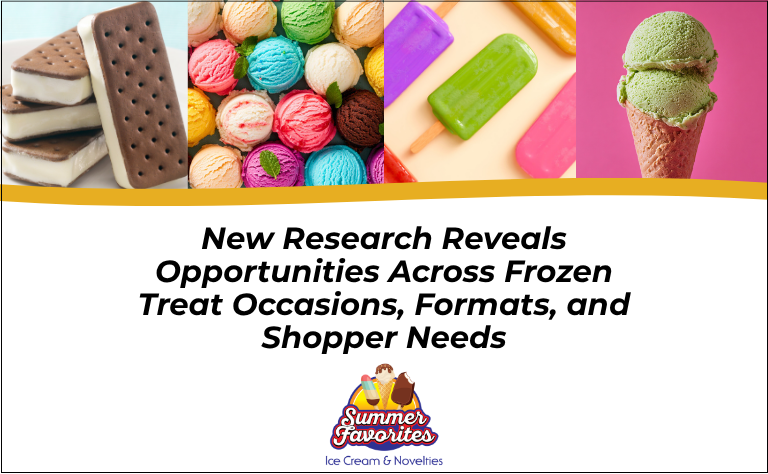
HARRISBURG, Pa. (July 23, 2026) — Ice cream and frozen novelties have earned a resilient place in consumers’ routines by delivering something shoppers increasingly value: affordable enjoyment with little planning.
New consumer research from the National Frozen & Refrigerated Foods Association (NFRA) finds that nearly three-quarters of adults say keeping frozen treats at home feels more affordable than going out for dessert, while a similar share view them as an easy dessert option that requires little planning. The research also highlights a category evolving beyond traditional indulgence as shoppers balance value, convenience, portion preferences, and nutrition considerations.
“This research shows that frozen treats are not simply a once-in-a-while splurge,” said Tricia Greyshock, president and CEO of NFRA. “They have earned a place in the everyday rhythm of the household because they deliver affordable enjoyment, convenience, and emotional reward. The growth opportunity is to make an increasingly diverse category easier to find, understand and shop – without losing the taste and enjoyment that bring consumers to the aisle.”
Frozen Treat Purchases Extend Beyond Summer Impulse
Hot weather and summer cravings remain the most common purchase trigger, cited by 43% of consumers. But the other leading triggers demonstrate how deeply frozen treats are connected to routine household needs:
- 35% purchase them when they want an easy at-home dessert.
- 31% are motivated by a sale, coupon, or digital deal.
- 29% purchase because someone in the household requests them.
- 25% are restocking a favorite.
- 23% are prompted by seeing a product in the aisle or a freezer display.
Summer may accelerate demand, but it does not create the habit. Frozen treats are also purchased as planned desserts, familiar household favorites, personal rewards, and convenient snacks.
For retailers and manufacturers, that creates opportunities to support both immediate and planned purchases. Freezer displays, strong package appeal, and promotional offers can convert shoppers in the moment, while consistent availability, recognizable branding and clear product positioning can encourage repeat purchase and household restocking.
Value Is About Experience, Not Just Price
Affordability remains central to the category’s appeal, but the research indicates that shoppers are not defining value by quantity alone. Seven in 10 adults say they would rather have a smaller portion of a frozen treat they truly enjoy than a larger portion of something they like less. Another 67% are more likely to keep frozen treats at home when they come in formats that are easy to serve or share.
Together, the findings indicate that premium and portion-controlled products can still compete when their value is clear, and the eating experience feels worth the purchase.
Seasonal Flavors and New Formats Create Trial Opportunities
Consumers show the greatest interest in frozen treat ideas that lead with flavor, seasonality, and format. Seasonal flavors (64%), new novelty formats (63%), mini and snack-sized treats (60%), fruit-based products (59%), and trend-inspired offerings (59%) all generated strong interest. High-protein frozen treats also attracted interest from nearly half (49%) of consumers.
The findings suggest consumers are not moving toward a single frozen treat format. Instead, they are building a mix of traditional favorites, portion-controlled products, fruit-based offerings, and functional options to fit different occasions and preferences.
Visibility and Clearer Comparison Can Help Convert Interest
As the category expands, shoppers want more help navigating their choices. Two-thirds of consumers say nutrition information should be easy to compare across frozen treat options, while 63% say flavor, price, nutrition information and dietary claims should be easy to see and compare when shopping online. Familiarity also helps shoppers approach innovation. Sixty-five percent say a familiar brand makes them more willing to try a frozen treat with a new benefit.
Retail merchandising can provide another important bridge between interest and purchase:
- 64% say they are more likely to notice new frozen treats when the products are highlighted in the freezer aisle.
- 64% are more likely to stock up when a promotion includes treats their household can enjoy.
- 62% say promotions make them more willing to try a premium or better-for-you option.
- 58% say shelf tags or aisle signage would help them find frozen treat options faster.
The findings suggest that clear package information, aisle visibility, and relevant promotions help shoppers navigate an increasingly diverse frozen treat set with greater confidence.
High-Protein Treats Illustrate the Opportunity – and the Challenge
High-protein frozen treats demonstrate how emerging segments can meet both emotional and practical needs. Regular purchasers of high-protein frozen treats are twice as likely as consumers overall to say dietary or nutrition needs prompt a purchase – 27% compared with 14%. They are also more likely to purchase for guests or gatherings and to restock a favorite, suggesting these products can extend beyond strictly functional occasions.
However, price and taste skepticism remain the leading barriers to the segment, cited by 33% and 29% of adults, respectively. Visibility presents another challenge. Among consumers who are unaware of high-protein frozen treats, 35% say they have not seen the products where they shop, compared with 22% of adults overall. The opportunity extends beyond protein claims alone. Taste, value, and visibility remain critical to driving trial and repeat purchase.
Turning Category Strength Into Continued Growth
The research reinforces that frozen treats continue to succeed because they satisfy emotional and practical needs at the same time. They provide an affordable reward, an easy dessert, a satisfying snack and a familiar product households want to keep on hand.
Continued growth will depend on preserving the category’s core strengths while addressing evolving shopper needs around convenience, value, portion preferences, nutrition, and discovery. Brands and retailers that make frozen treats easy to find, easy to understand, and consistently worth bringing home will be best positioned to win.
Survey Methodology
This poll was conducted by Morning Consult between June 24 and June 26, 2026, among a sample of 2,000 U.S. adults. Interviews were conducted online, and the data were weighted to approximate a target sample of adults based on gender, age, race, educational attainment, region, gender by age, and race by educational attainment. Results from the full survey have a margin of error of plus or minus two percentage points.
###
About the National Frozen & Refrigerated Foods Association (NFRA)
NFRA is a non-profit trade association representing all segments of the frozen and refrigerated foods industry. NFRA sponsors national promotions ReDiscover Dairy & Frozen (January), March Frozen Food Month, June Dairy Month, and Summer Favorites Ice Cream & Novelties (June/July); and provides consumer information such as lifestyle content, meal preparation tips, recipes and sweepstakes opportunities through its Easy Home Meals consumer website and social media properties. To learn more, visit nfraweb.org and easyhomemeals.com.